Helpful Hints and How-Tos for Removables
Clinical Guides & Technical Tips
Optimizing Accuracy for Removable and Fixed Restorations
At Modern Dental Creations, we believe that success starts with the details provided at the chairside. These specialized protocols are designed to help you capture precise anatomical data, ensuring that the final restoration requires minimal adjustment and meets the highest aesthetic standards.
Establishing the Horizon: The Horizontal Reference (Bite Stick)
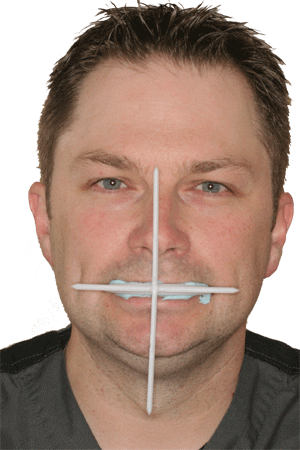
For full-arch cases, multi-unit anterior bridges, or denture try-ins, a bite stick is an essential tool for preventing skewed occlusal planes (the "canted" smile).
- Why it Matters: This simple tool allows our technicians to align the restorations with the patient’s interpupillary line and the true horizon, rather than relying solely on a stone model which may not sit level on a workbench.
- Clinical Steps:
- Preparation: Identify a level horizontal reference in your operatory (e.g., a window frame or a leveled strip of tape).
- Application: Apply PVS bite material to the anterior teeth. Have the patient close into centric relation.
- Alignment: While the material is unset, insert a rigid stick (such as a cotton swab or brush handle) horizontally into the facial material. Align it perfectly with your level reference.
- Stabilization: Add additional material to "lock" the stick in place before removal.
Aesthetic Customization: The LVI Smile Catalog
When you are designing a "smile makeover" or a new denture and the patient has no existing teeth to use as a reference, we recommend the LVI Smile Catalog.
This resource features 12 distinct "smile styles" (ranging from "Mature" to "Aggressive" or "Youthful"). By noting the patient's preferred style on your prescription, you provide our technicians with a clear blueprint for tooth arrangement and incisal characterization.
Duplicating Vertical Dimension (OVD)
If your goal is to maintain the patient's current Vertical Dimension from an old denture into a new one, choose one of these two verified methods:
Method A: The Wash Technique (Requires Denture)
If the patient can leave the denture at the lab, treat it as a custom tray. Take a light-body PVS wash impression inside the base. Critical: Ensure the patient closes into full occlusion while the wash sets to ensure the OVD is not inadvertently increased by the thickness of the impression material.
Method B: The Measurement Technique (Chairside)
If the patient must keep their denture, use a baseplate and wax rim:
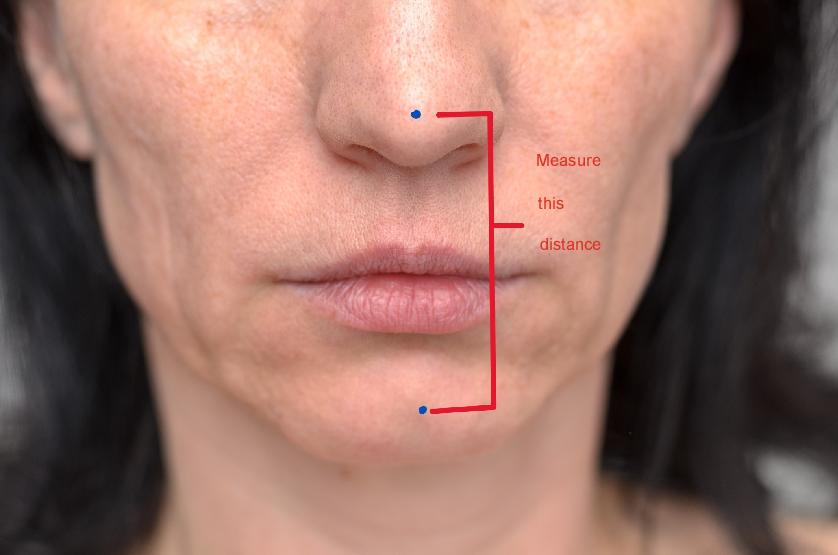
- Reference: Place the old denture in the mouth and mark two dots (one on the nose, one on the chin). Measure this distance.
- Adjustment: Remove the denture and insert the wax rim.
- Calibration: Trim or add wax to the rim until the measurement between the dots matches the original distance.
- Detailing: Carve the midline and high smile line directly into the wax to guide our tooth placement.
Partner with Our Lab
Clear communication and accurate records are the foundation of every successful case. If you have questions about these techniques or need a copy of the Smile Catalog, please reach out to our team.